Build from local assets while changing the conditions that constrain them
Rural Community Development
Support rural communities in recognizing relationships and wisdom already present, connecting fragmented resources, and advancing locally grounded systems change.
Understand
Begin with the experience people are having.
Rural communities are often described through scarcity: too few providers, too much distance, aging infrastructure, limited transportation, and thin funding. Those realities matter, but a deficit-only story can obscure local knowledge, trusted relationships, cultural traditions, informal care, and the leadership already holding systems together.
Growing HOPE uses an asset-informed—not asset-only—approach. Communities can name and organize around strengths while still demanding fair resources, policy change, and regional partnership.
Translate the framework
The four building blocks in this setting
Relationships
Recognize trusted local connectors, intergenerational networks, peer leaders, schools, clinics, congregations, businesses, and informal care.
Environments
Address distance, broadband, transportation, housing, food, child care, health care, public space, and the sustainability of local institutions.
Engagement
Create resident-led roles, youth leadership, local learning, cultural and outdoor activities, enterprise, service, and civic participation.
Emotional growth
Reduce isolation and stigma by normalizing help-seeking, peer connection, grief support, repair, and multiple respectful pathways to care.
Five-part learning presentation
Rural Community Development in practice
Use the arrows, keyboard, or swipe to move through the five framing questions.
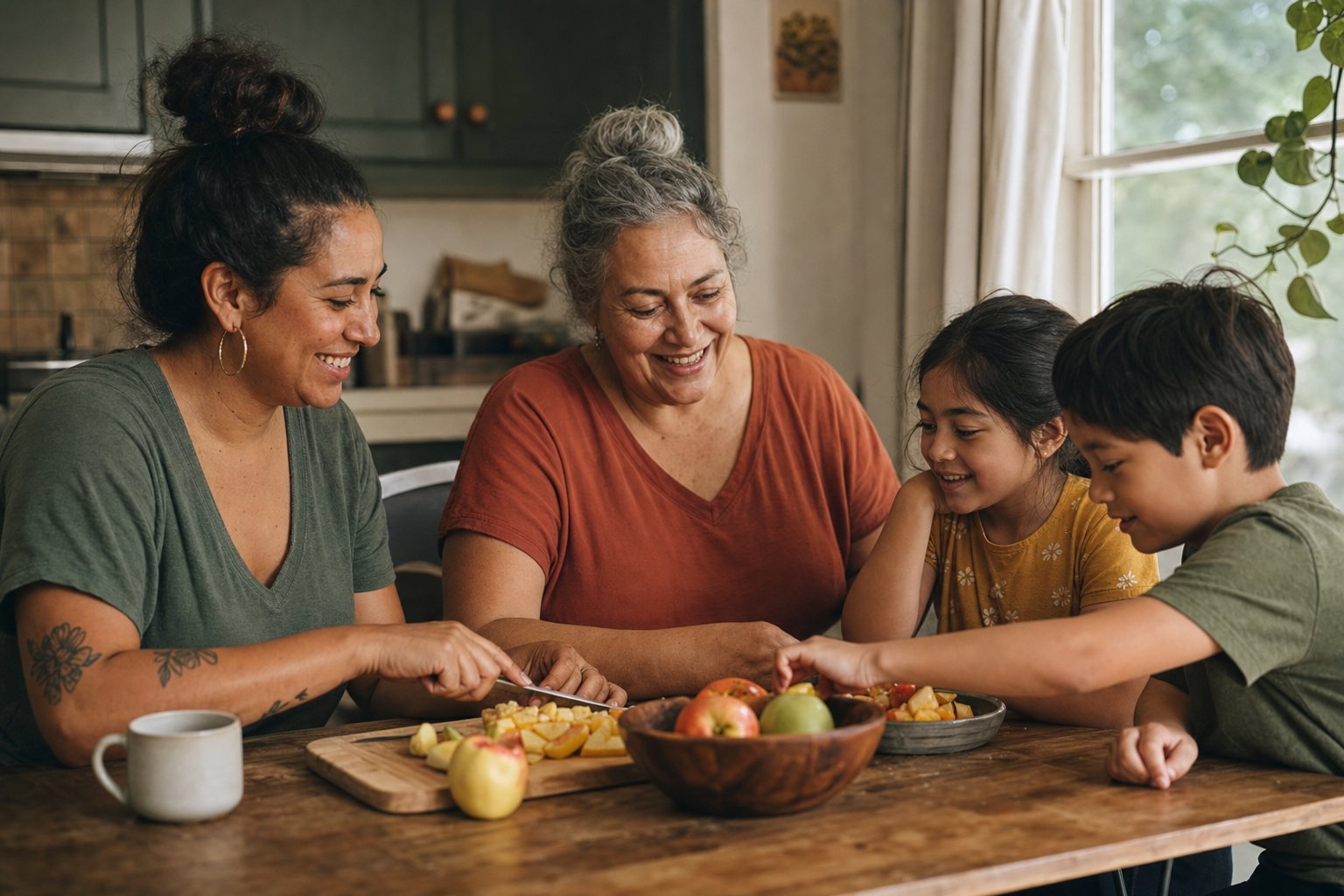
01 · Change the starting story
Rural does not mean empty.
Begin with local relationships, institutions, traditions, skills, and informal systems alongside honest constraints.
What is already working because residents make it work?
Put it into practice
Five moves to begin
- Create a resident-led asset and access map using real travel and handoff experiences.
- Identify and compensate the trusted connectors already bridging organizations.
- Choose one regional function to share without centralizing community authority.
- Combine local stories with data on access, distance, capacity, and unequal impact.
- Build a sustainability and succession plan before launching another short-term initiative.
Learn and adapt
Questions worth tracking
- Are pathways shorter, warmer, and easier to navigate?
- Which local connectors are overloaded or unsupported?
- Is regional partnership increasing capacity while preserving local authority?
- What structural barrier requires policy or investment rather than volunteer effort?
Go deeper
Tools and next pathways
Systems integration map
Connect protective experiences, community wisdom, norms, and improvement.
Open resourceImplementation readiness
Assess relationships, culture, capacity, voice, and practical conditions.
Open resourceLow-burden learning plan
Make learning useful without overloading small organizations.
Open resourceSource trail
Read and attribute the foundation.
Implementation partnership
Bring this pathway into a real community or organization.
Kimberly Ladd supports coalitions and implementation partners in adapting HOPE with community voice, practical systems learning, and a clear source boundary.