Grow protection, connection, and healthy community norms
Substance Misuse Prevention
Move beyond fear-based messaging by strengthening belonging, purpose, protective conditions, accurate norms, and community ownership.
Understand
Begin with the experience people are having.
Effective prevention is not only a message about what people should avoid. It is the ongoing work of making connection, safety, contribution, purpose, help-seeking, and healthy choices more available.
Growing HOPE connects positive experiences with careful community-norms practice and the Strategic Prevention Framework. Norm messages should use credible local data, avoid exaggeration, and never replace structural action.
Translate the framework
The four building blocks in this setting
Relationships
Strengthen trusted adults, peer connection, family communication, mentoring, and warm pathways to help before a crisis.
Environments
Address access, availability, safe recreation, transportation, economic conditions, stigma, and the places where people gather.
Engagement
Create meaningful roles, leadership, culture, arts, service, sports, learning, and community contribution with young people.
Emotional growth
Build coping, help-seeking, refusal, repair, decision-making, and honest conversation without shame or catastrophe messaging.
Five-part learning presentation
Substance Misuse Prevention in practice
Use the arrows, keyboard, or swipe to move through the five framing questions.
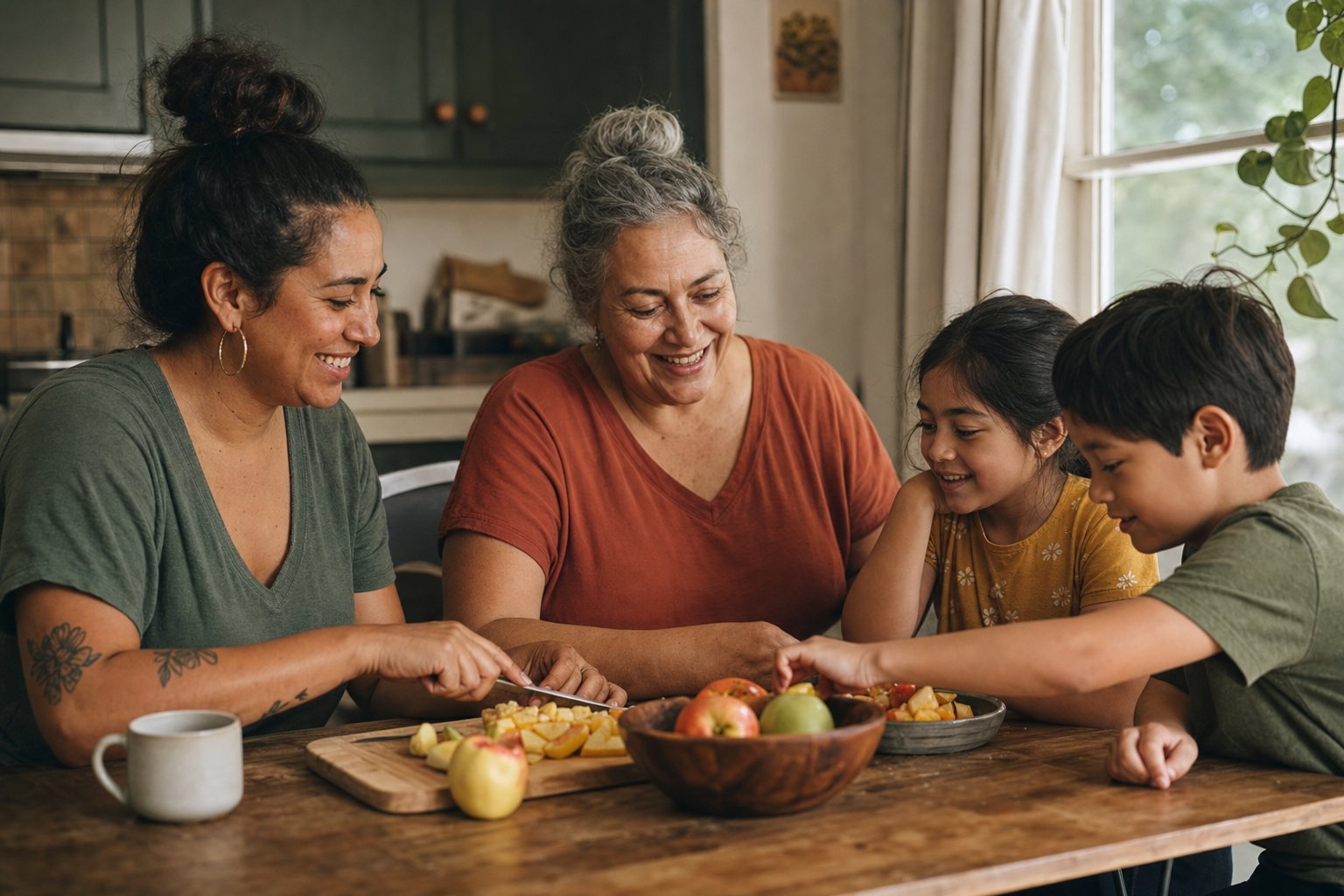
01 · Broaden the question
What are we helping people move toward?
Prevention is stronger when communities name the positive experiences, conditions, and futures they want to make more likely.
What protective experience should become easier to access?
Put it into practice
Five moves to begin
- Write a positive destination before choosing a campaign or program.
- Map protective experiences and environmental conditions alongside risk data.
- Require a source, denominator, timeframe, comparison group, and pretest for every norm claim.
- Give young people and families decision rights in strategy and message development.
- Pair every communication effort with a concrete access or condition change.
Learn and adapt
Questions worth tracking
- Are healthy choices, help-seeking, and protective activities becoming easier?
- Does the community recognize the data and wording as accurate?
- Which groups receive fewer positive experiences or supports?
- What changed in conditions, not only awareness?
Go deeper
Tools and next pathways
Explore Your HOPE
A private way for families to notice what is already protective.
Open resourceHOPE and positive community norms
Review the integration boundary and responsible messaging approach.
Open resourceLow-burden learning plan
Design a small test with useful, proportionate measurement.
Open resourceSource trail
Read and attribute the foundation.
Implementation partnership
Bring this pathway into a real community or organization.
Kimberly Ladd supports coalitions and implementation partners in adapting HOPE with community voice, practical systems learning, and a clear source boundary.