Make belonging, participation, and repair part of how school works
Schools
Use HOPE to connect climate, family partnership, student voice, instructional practice, mental health, attendance, discipline, and community support.
Understand
Begin with the experience people are having.
Students do not experience school climate as a slogan. They experience it through who knows their name, where they feel safe, whether their interests and culture belong, how adults respond to distress, and whether mistakes can be repaired.
HOPE can help schools organize existing initiatives around a common experiential question: what dependable positive experiences are students and families actually having?
Translate the framework
The four building blocks in this setting
Relationships
Ensure every student can name trusted adults and peers, and build routines for reconnection after absence, conflict, or transition.
Environments
Examine physical safety, welcome, accessibility, discipline, food, transportation, digital access, and whether families can navigate the institution.
Engagement
Connect learning to purpose, creativity, culture, clubs, leadership, contribution, and authentic student choice.
Emotional growth
Teach and model regulation, reflection, conflict repair, help-seeking, and restorative accountability across the day.
Five-part learning presentation
Schools in practice
Use the arrows, keyboard, or swipe to move through the five framing questions.
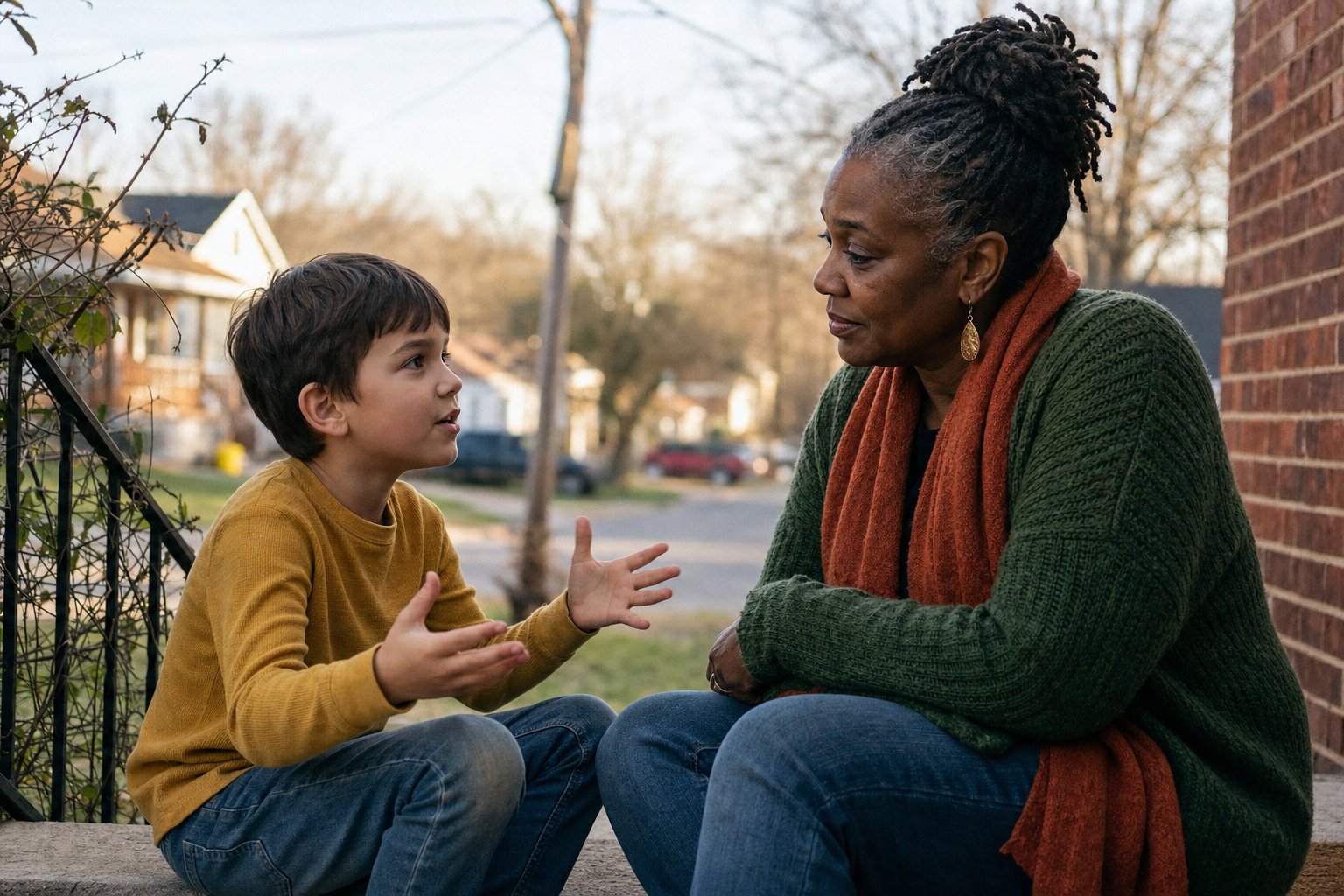
01 · Start with experience
Ask how school feels from the student's seat.
Policies and programs matter through the daily experience they create. Listen for patterns in belonging, safety, participation, and repair.
Which students are least likely to feel known here?
Put it into practice
Five moves to begin
- Use a trusted-adult check that produces follow-up, not only a survey result.
- Conduct a student-and-family welcome walk through the building and digital systems.
- Give students one meaningful decision in each major improvement effort.
- Review discipline, attendance response, and referral pathways for reconnection and equity.
- Protect educator time and support for relational work rather than adding an unfunded initiative.
Learn and adapt
Questions worth tracking
- Can each student name a reachable adult who knows them?
- Where do belonging and participation differ across student groups?
- Do discipline and attendance systems increase or decrease connection?
- Can families navigate support without repeating their story?
Go deeper
Tools and next pathways
Source trail
Read and attribute the foundation.
Implementation partnership
Bring this pathway into a real community or organization.
Kimberly Ladd supports coalitions and implementation partners in adapting HOPE with community voice, practical systems learning, and a clear source boundary.