Protect dignity, connection, participation, and choice
Recovery and Behavioral Health
Bring a positive-experience lens to recovery supports and behavioral health without minimizing harm, replacing clinical care, or reducing people to a diagnosis.
Understand
Begin with the experience people are having.
HOPE does not claim that positive experiences replace treatment, medication, safety planning, or material support. It offers a complementary question: what relationships, environments, participation, and emotional supports can help a person live with dignity and possibility?
Recovery-oriented practice is strongest when people have voice, meaningful roles, multiple pathways, and the right to define what progress means in their lives.
Translate the framework
The four building blocks in this setting
Relationships
Support chosen family, peer connection, dependable helpers, repair, and continuity across treatment, recovery, housing, work, and community life.
Environments
Address safe housing, transportation, welcoming care, confidentiality, stigma, economic stability, and accessible places to belong.
Engagement
Create meaningful roles, service, learning, culture, recreation, leadership, and purpose—not only attendance at services.
Emotional growth
Support self-understanding, coping, choice, help-seeking, boundaries, repair, and hope alongside appropriate clinical care.
Five-part learning presentation
Recovery and Behavioral Health in practice
Use the arrows, keyboard, or swipe to move through the five framing questions.
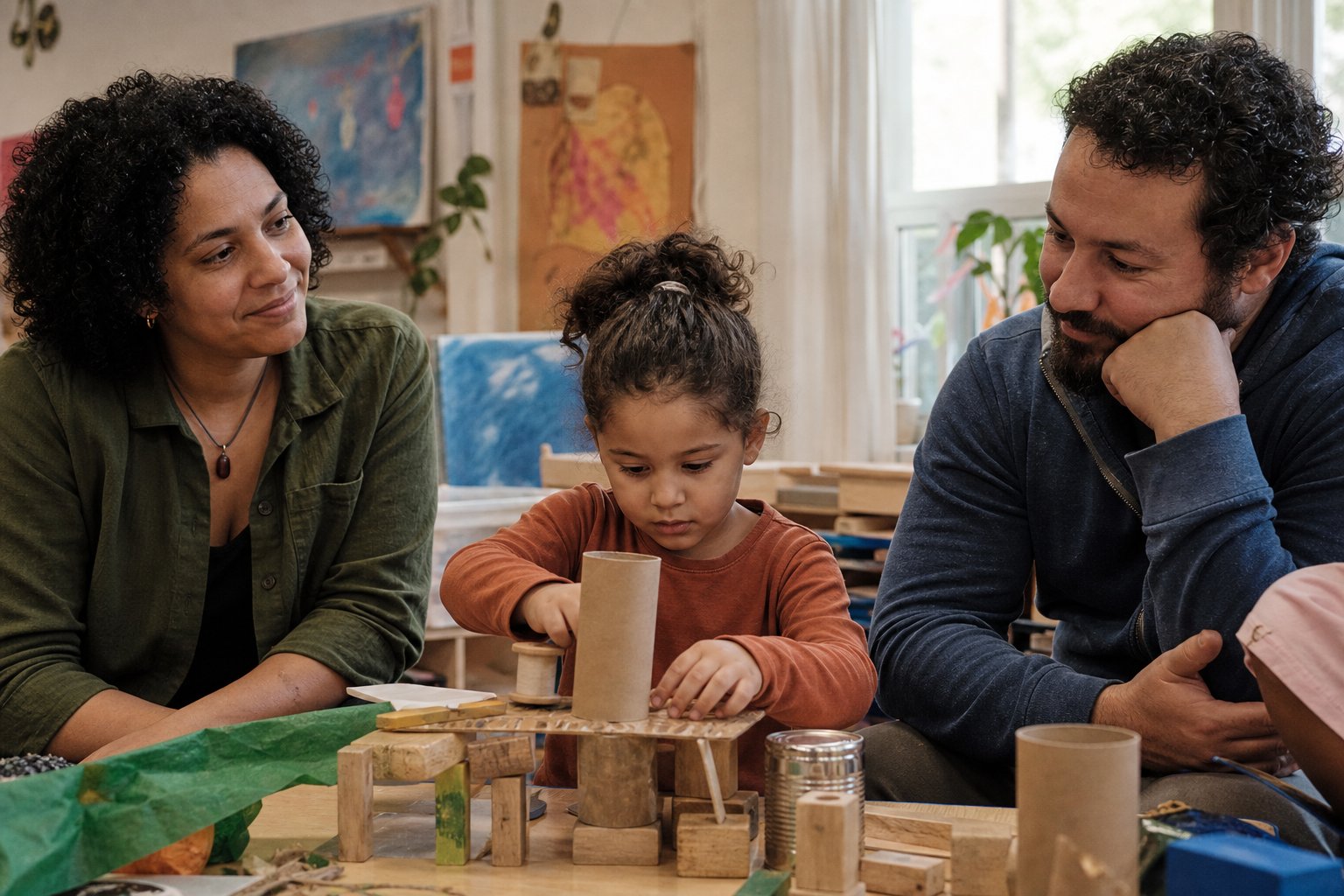
01 · Keep the whole person visible
A diagnosis is not an identity.
Ask about strengths, relationships, culture, responsibilities, interests, purpose, and the conditions surrounding distress.
What matters to this person beyond the service plan?
Put it into practice
Five moves to begin
- Add strengths, purpose, and chosen-support questions to intake and review.
- Identify one transition where a verified warm handoff should replace a referral list.
- Invite peer and family leaders into service design with compensation and authority.
- Review language, spaces, and policies for stigma and avoidable exclusion.
- Measure personally meaningful goals alongside service completion.
Learn and adapt
Questions worth tracking
- Do people experience choice, dignity, and continuity?
- Which transitions produce the most disconnection?
- Are meaningful community roles becoming more available?
- Do measures reflect the person's goals as well as system requirements?
Go deeper
Tools and next pathways
Explore Your HOPE
A private, non-clinical reflection on positive experiences and support.
Open resourceAdversity and support reflection
Optional, private, non-scored support mapping—not diagnosis or prediction.
Open resourceCommunity conversation guide
Support a respectful strengths-based conversation.
Open resourceSource trail
Read and attribute the foundation.
Implementation partnership
Bring this pathway into a real community or organization.
Kimberly Ladd supports coalitions and implementation partners in adapting HOPE with community voice, practical systems learning, and a clear source boundary.