Connect belonging and practical support without coercion
Faith and Community Partnerships
Help congregations and community organizations grow trusted relationships, accessible support, meaningful participation, and emotionally safe pathways.
Understand
Begin with the experience people are having.
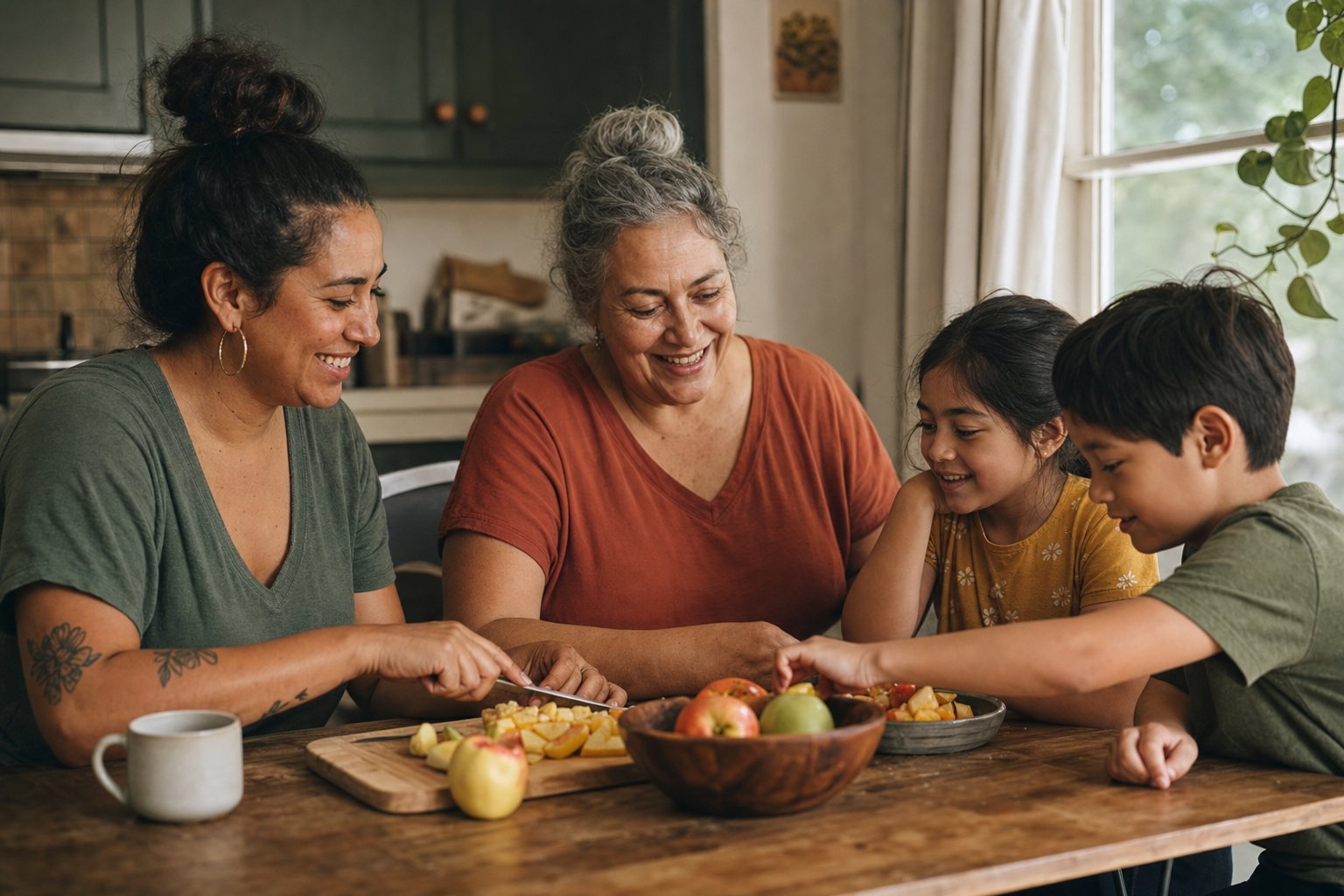
Faith communities and local organizations often hold durable relationships, trusted spaces, traditions, volunteers, material supports, and a deep knowledge of local life. Those assets can strengthen HOPE when participation is welcoming, accessible, and never conditioned on belief, disclosure, or conformity.
Partnership requires more than a referral list. It requires clear roles, boundaries, safeguarding, confidentiality, warm connection, and shared learning across organizations with different responsibilities.
Translate the framework
The four building blocks in this setting
Relationships
Support trusted intergenerational connection, neighbor-to-neighbor care, peer support, and clear routes to qualified help when needed.
Environments
Make spaces accessible, welcoming, confidential, culturally responsive, child-safe, and open to people regardless of belief or membership.
Engagement
Offer meaningful roles, traditions, meals, arts, learning, service, recreation, and leadership shaped with community members.
Emotional growth
Practice listening, boundaries, repair, grief support, help-seeking, and nonjudgmental accompaniment without substituting for clinical care.
Five-part learning presentation
Faith and Community Partnerships in practice
Use the arrows, keyboard, or swipe to move through the five framing questions.
01 · Inventory local assets
Begin with what people already trust.
Map relationships, gathering places, traditions, practical supports, and community leaders before creating a new program.
Where do people already experience welcome and contribution?
Put it into practice
Five moves to begin
- Create a shared asset-and-boundary map across participating organizations.
- Publish a plain-language welcome, confidentiality, safety, and referral statement.
- Offer support without requiring worship, membership, testimony, or public gratitude.
- Train volunteers in listening, boundaries, safeguarding, and warm handoffs.
- Give residents visible roles in design, leadership, and evaluation.
Learn and adapt
Questions worth tracking
- Who experiences welcome, and who encounters hidden conditions?
- Are referrals becoming verified connections?
- Do residents have meaningful roles beyond receiving help?
- Are privacy, consent, and professional boundaries consistently protected?
Go deeper
Tools and next pathways
Source trail
Read and attribute the foundation.
Implementation partnership
Bring this pathway into a real community or organization.
Kimberly Ladd supports coalitions and implementation partners in adapting HOPE with community voice, practical systems learning, and a clear source boundary.