Design daily settings where children and caregivers can thrive
Early Childhood
Translate the four building blocks into routines, relationships, environments, family partnership, and learning experiences across early childhood systems.
Understand
Begin with the experience people are having.
Young children experience systems through ordinary moments: arrival, separation, play, meals, transitions, comfort, repair, and the way adults speak with their caregivers.
A HOPE-centered early childhood setting makes positive experiences dependable without asking educators or families to perform perfection. It aligns relationship-based practice with the material conditions that make care sustainable.
Translate the framework
The four building blocks in this setting
Relationships
Use consistent caregivers, warm arrivals, family connection, predictable repair, and trusted transitions between home and program.
Environments
Create physically and emotionally safe spaces with access to food, rest, movement, sensory needs, language, culture, and family resources.
Engagement
Offer meaningful choices, play, creativity, contribution, tradition, and participation that includes children with different abilities and temperaments.
Emotional growth
Name feelings without shame, co-regulate before expecting self-regulation, model problem-solving, and treat repair as part of learning.
Five-part learning presentation
Early Childhood in practice
Use the arrows, keyboard, or swipe to move through the five framing questions.
01 · See the whole setting
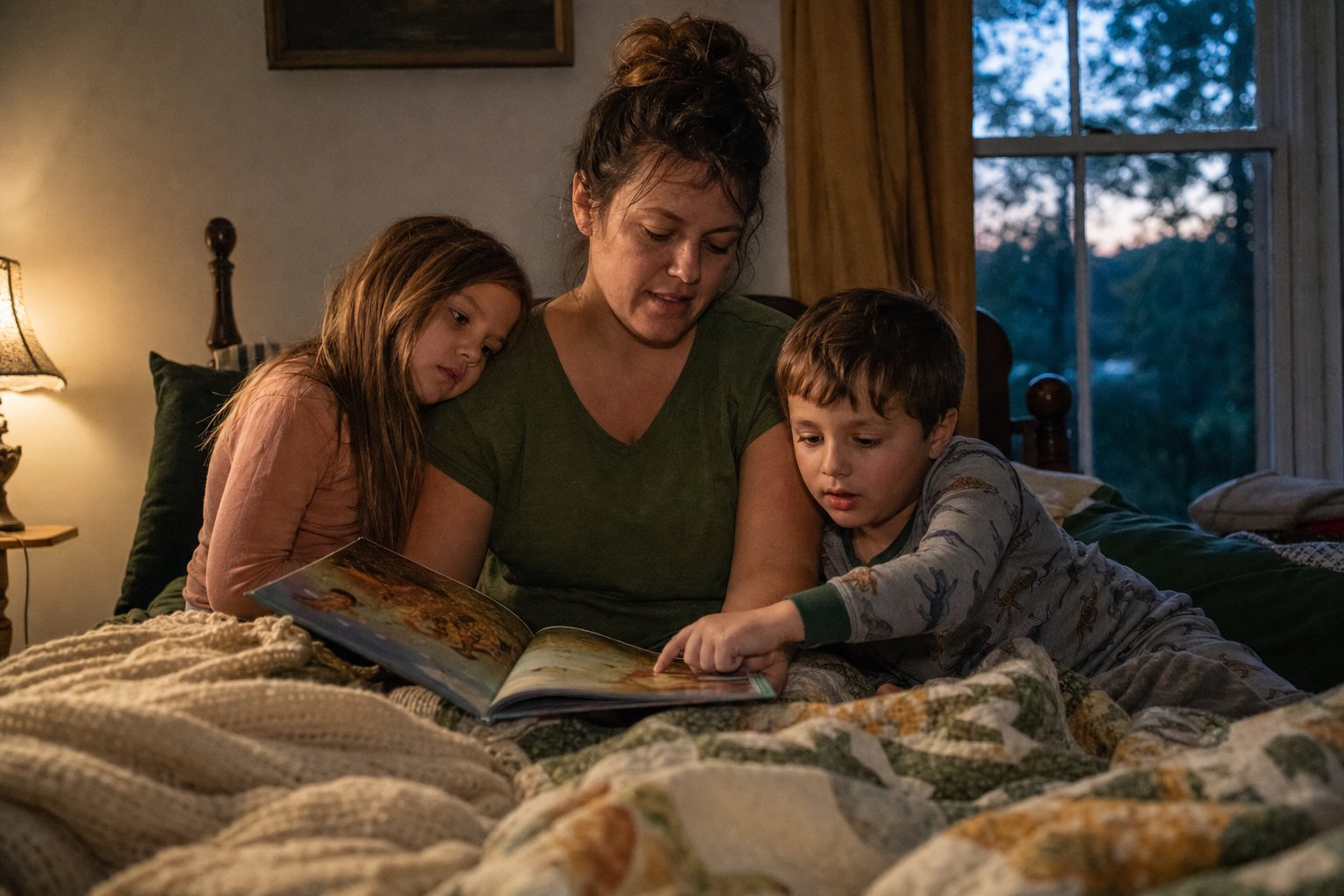
Positive experiences live in routines.
Look beyond special activities to arrival, meals, transitions, rest, play, and departure—the moments children encounter every day.
Where does connection already happen reliably?
Put it into practice
Five moves to begin
- Walk through a child's day and mark moments of connection, choice, stress, and repair.
- Add one predictable welcome and one predictable reconnection ritual.
- Review discipline and exclusion patterns by race, disability, age, language, and setting.
- Ask families which routines, relationships, and traditions they want protected.
- Choose a staff-support change because adult working conditions shape children's environments.
Learn and adapt
Questions worth tracking
- Do children have dependable relationships across transitions?
- Which children receive fewer choices, invitations, or successful repairs?
- Do families experience partnership or primarily receive instructions?
- What staff condition is making relational practice difficult to sustain?
Go deeper
Tools and next pathways
Source trail
Read and attribute the foundation.
Implementation partnership
Bring this pathway into a real community or organization.
Kimberly Ladd supports coalitions and implementation partners in adapting HOPE with community voice, practical systems learning, and a clear source boundary.